Alpes du Nord
Bauges
Avalanche Problems
 Wind slab
2
Field notes
Look for fresh snow deposits on Slope facing downwind/ wind sheltered aspect. Snow deposits can attain several times average snow depth.EAWS glossary, in Usually a steep, elongated, eroded trench; typically prone to snowdrift accumulation.EAWS glossary and Rounded or elongated concavity; typically tending to accumulate snowdrift.EAWS glossary, and behind ridgelines and abrupt changes in terrain — these are where the wind has loaded the snow into slabs that are easy to trigger. Recent avalanches, shooting cracks under your weight, and Distinctive noise (resembling a “whumpf” sound) occurring when a weak layer beneath a slab collapses. The air of the weak layer is forced outside the snowpack, with the resulting whumpf sound being heard. The sound usually indicates an unstable situation and can be accompanied by surface cracking. A whumpf is a clear avalanche alert.EAWS glossary sounds are clear confirmations of the problem. The safest move is to avoid wind-loaded terrain entirely. NB wind signs alone don't always mean an avalanche problem exists, and the age of drifted snow is hard to judge.
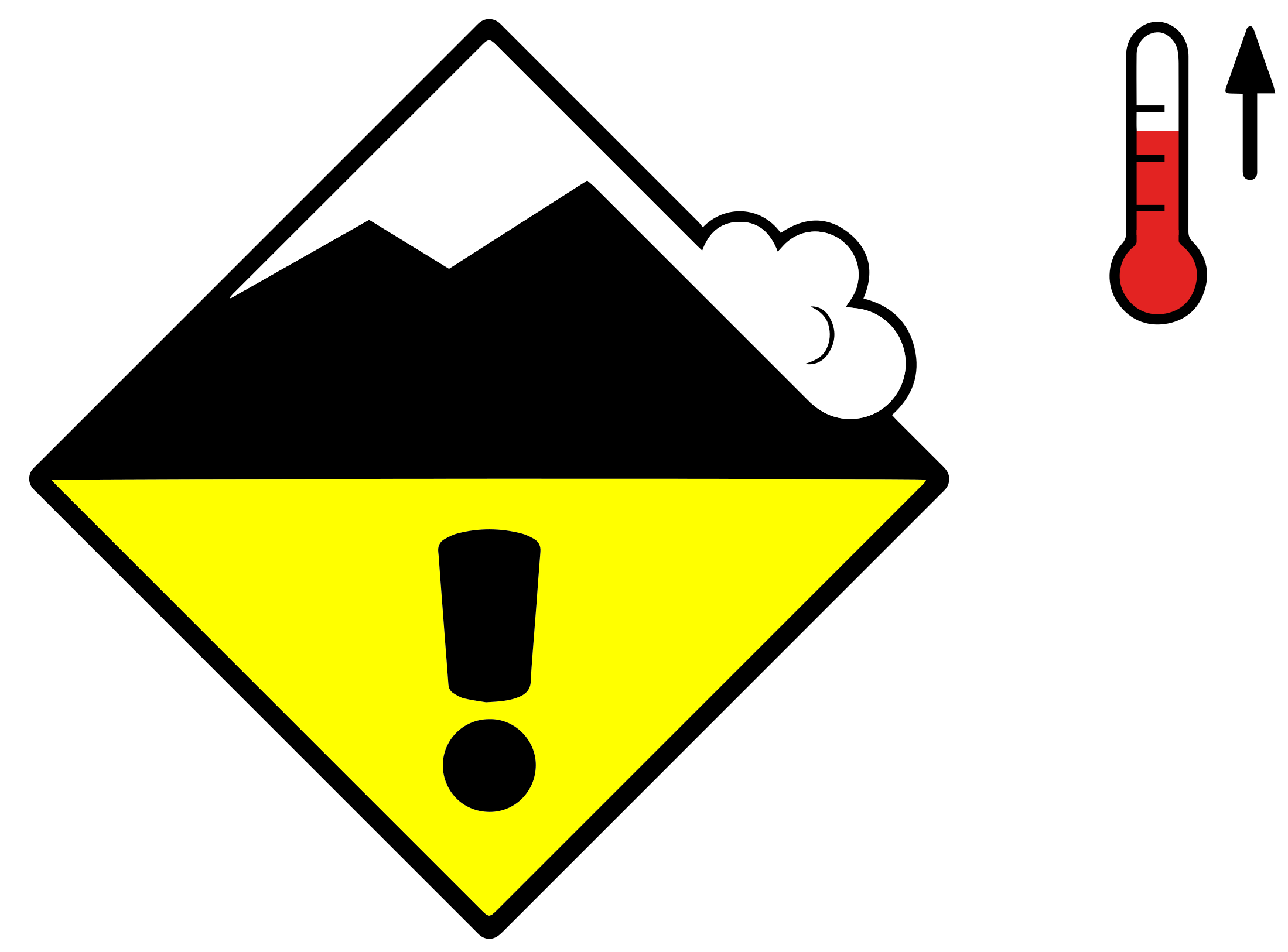 Wet snow
2
Field notes
Rolling snowballs, deep penetration when you step or ski, and small natural slides are clear signals that the Snow deposited on the ground in a multiplicity of layers.EAWS glossary is losing strength. After a clear, cold night the surface often freezes into a strong supporting Layer of hard-compacted snow resulting from a melt-freeze process or wind.EAWS glossary, and conditions are favourable in the early morning. After a warm, overcast night, the problem may be present from the start of the day. Plan early returns and watch the runout zones below you.
Avalanche Activity
RARES INSTABILITES DANS LA NEIGE VENTEE EN ALTITUDE
- Avalanches de neige fraiche, dans les pentes ensoleillées aux heures les plus chaudes, notamment dans les falaises et près des rochers, de petites tailles.
- Rares plaques de fond, dans les versants ensoleillés, dans les zones herbeuses ou les dalles rocheuses.
- Nouvelles plaques à vent qui se forment dans la neige récente avec le fort vent au-dessus de 1800/2000m. Elles sont faciles à déclencher mais restent de petites tailles,
rarement moyennes.
Outlook
Constant avalanche danger
Snowpack & Weather
Snowpack
Situation avalancheuse typique
neige ventée neige humide
Déclenchements provoqués :
- Nouvelles plaques à vent qui se forment dans la neige récente avec le fort vent au-dessus de 1800/2000m. Elles sont faciles à déclencher mais restent de petites tailles,
rarement moyennes.
Départs spontanés :
- Avalanches de neige fraiche, dans les pentes ensoleillées aux heures les plus chaudes, notamment dans les falaises et près des rochers, de petites tailles.
- Rares plaques de fond, dans les versants ensoleillés, dans les zones herbeuses ou les dalles rocheuses.
Outlook
km/h 35 km/h 35 km/h
Tendance du jeudi 15 janvier
Indice de risque limité
rs une stabilisation du manteau avec le
doux en cours.