Bernese Oberland
Adelboden

Hard-to-read day. Deteriorating: moderate this morning, considerable by afternoon, with persistent weak layers, wet snow and gliding snow in play — only half of it will be visible.
Day Risk Profile
Avalanche Problems
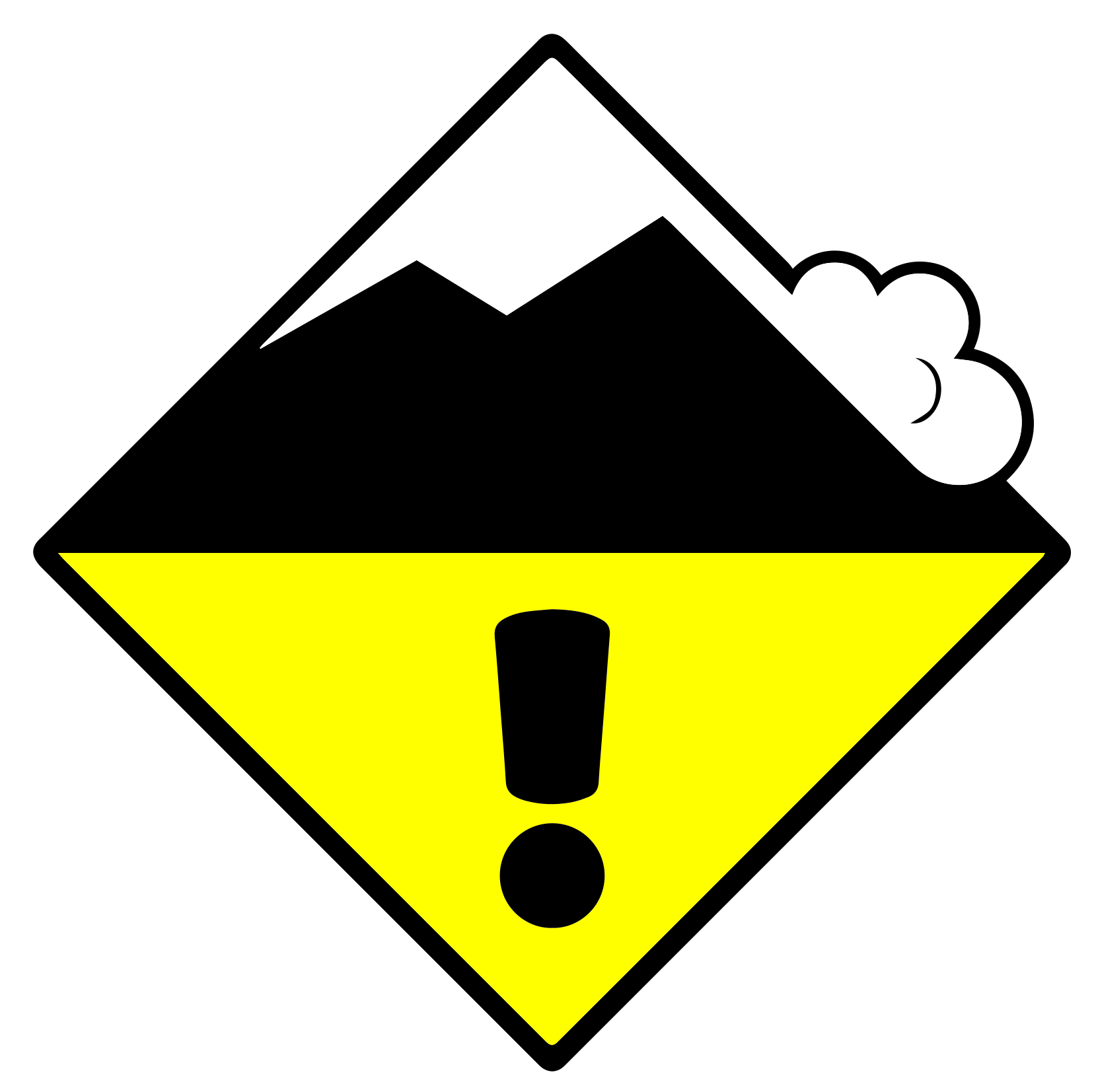 Persistent weak layers
2=
Field notes
Persistent Snowpack layer in which the crystals are poorly bonded and the layer has the potential to fail. Typical crystals in dry weak layers causing avalanches are : precipitation particles; surface hoar; faceted crystals; hollow crystals; graupel. Generally >1mm in size, loose grains with few bonds Wet weak layers can be formed by all snow crystal/grain types.EAWS glossary are very challenging to recognise. Distinctive noise (resembling a “whumpf” sound) occurring when a weak layer beneath a slab collapses. The air of the weak layer is forced outside the snowpack, with the resulting whumpf sound being heard. The sound usually indicates an unstable situation and can be accompanied by surface cracking. A whumpf is a clear avalanche alert.EAWS glossary sounds and shooting cracks are typical when present, but you can have a serious weak layer with no warning signs at the surface. Knowledge of how the Snow deposited on the ground in a multiplicity of layers.EAWS glossary has evolved is essential. SLF's travel advice is direct: travel conservatively, avoid terrain where the consequences of being caught are large, and treat the history of weather and snow as more important than what you can see today. Read the full bulletin.
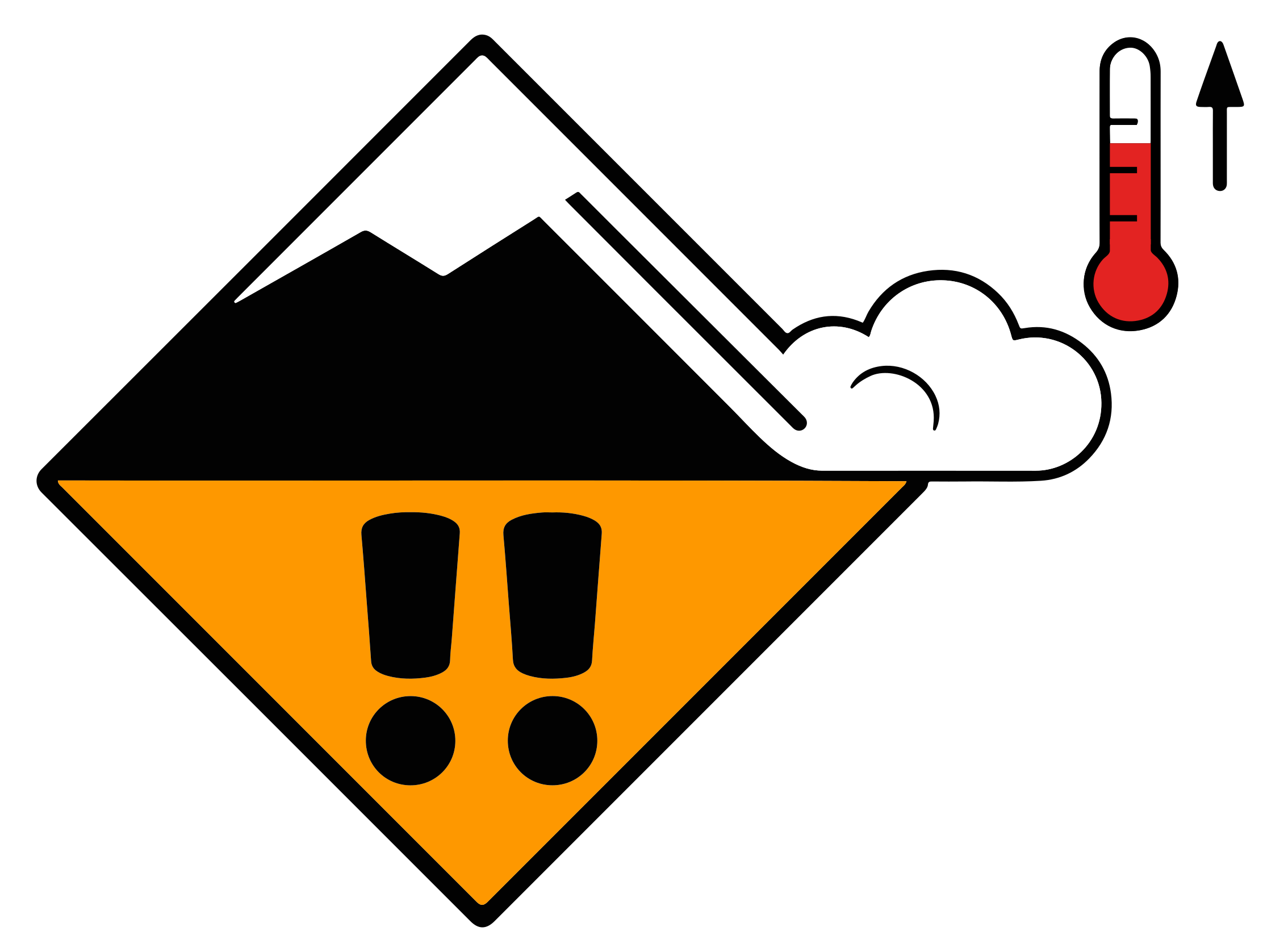 Wet snow + Gliding snow
3
Field notes
Wet snow
Rolling snowballs, deep penetration when you step or ski, and small natural slides are clear signals that the Snow deposited on the ground in a multiplicity of layers.EAWS glossary is losing strength. After a clear, cold night the surface often freezes into a strong supporting Layer of hard-compacted snow resulting from a melt-freeze process or wind.EAWS glossary, and conditions are favourable in the early morning. After a warm, overcast night, the problem may be present from the start of the day. Plan early returns and watch the runout zones below you.
Gliding snow
Almost impossible to predict precisely, even when the warning signs are visible. A crack visible on the snowpack surface formed by snow-gliding on steep, and particularly grass-covered slopes. Areas below slopes with visible glide cracks should be avoided whenever possible due to threat of gliding sluffs or avalanches.EAWS glossary — gaps that open in the Snow deposited on the ground in a multiplicity of layers.EAWS glossary down to the ground — are often precursors to release, but they don't tell you when. A glide avalanche can release minutes after the cracks appear, or weeks later, or not at all. Some release without any visible warning. Avoid lingering anywhere near glide cracks: above them, alongside them, or below in the runout.
Snowpack & Weather
Snowpack
The Snow layers deposited from earlier precipitation, prior to fresh fallen snow. Old snow layers consist of metamorphosed snow crystals.EAWS glossary still contains various Snowpack layer in which the crystals are poorly bonded and the layer has the potential to fail. Typical crystals in dry weak layers causing avalanches are : precipitation particles; surface hoar; faceted crystals; hollow crystals; graupel. Generally >1mm in size, loose grains with few bonds Wet weak layers can be formed by all snow crystal/grain types.EAWS glossary. In particular on wind-sheltered shady slopes, Transparent, frequently flat crystals forming on the snowpack when moist air settles on the surface. It forms most often during cold, clear, humid nights. Once it is blanketed by fresh fallen snow, surface hoar is one of the most critical weak layer. See also: www.snowcrystals.itEAWS glossary is in some cases covered by snow. Deeper in the Snow deposited on the ground in a multiplicity of layers.EAWS glossary there are faceted layers, which in isolated cases are still prone to triggering, especially on seldom-used slopes with little snow cover. As daytime temperatures rise and the surface starts to moisten, in some places even the likelihood of dry avalanches being triggered is increasing during the course of each day.
Moreover, all regions can expect to see Avalanche of wet snow masses. Flowing more slowly than dry avalanches; usually for shorter runout distances, however with greater impact on obstacles due to higher snow density.EAWS glossary over the course of each day. Isolated wet The abrupt release of a slab of snow on a mountain slope. After crack initiation and crack propagation in a weak layer the released slab comprises 3 elements: The weak layer, the gliding horizon and the slab. If the slope angle is steep enough, the slab will glide down. If the slope is not steep enough, the slab will settle down on the failed weak layer. Possibly a whumpf sound will follow due to air pressed out of the weak layer. The fracture line will be sharp edged.EAWS glossary may also be triggered by human activity. Gliding avalanches are to be expected mainly north of a line from the Rhône to the Rhine and also mostly tend to occur as the day progresses.
Weather review for Easter Monday
The night was often cloudy and there was some light precipitation, with the snowfall level lying at around 2000 to 2500 m. Daytime conditions were mostly sunny and mild.
Fresh snow
A few centimetres in the west in the Areas above approximately 3000 m (particularly glaciated areas).EAWS glossary
Temperature
At midday at 2000 m, between +5 °C in the northeast and +8 °C elsewhere
Wind
From westerly directions, moderate and locally strong overnight, and light to moderate during the day
Weather forecast to Tuesday
Conditions will be mostly clear overnight and sunny and mild during the day.
Fresh snow
-
Temperature
At midday at 2000 m, around +8 °C
Wind
Mostly light northwesterly, moderate at times in the afternoon
Outlook to Thursday
After clear nights, Wednesday and Thursday will be mostly sunny. Winds will be from northerly directions, mostly light on Wednesday and moderate at times on Thursday. Temperatures will remain very mild, with the zero degree level being at around 3000 to 3500 m.
The danger of dry avalanches will continue to decrease. The danger of wet and gliding avalanches will increase over the course of each day.