Avalanche danger • Glocknergruppe Süd region • 2025/26
Link copied
Glockner Group
Glocknergruppe Süd
Wed 25 Feb
Day Risk Profile
3
Considerable
below treeline
4
High
above treeline
Avalanche Problems
Above treeline
High
(4)
Dry avalanches
· all day
Persistent weak layers + Wind slabSlab4
N, NE, E, W, NW
above treeline
LargeManyPoor
GM.1GM.10
Field notes▾
Persistent weak layers
Persistent Snowpack layer in which the crystals are poorly bonded and the layer has the potential to fail. Typical crystals in dry weak layers causing avalanches are : precipitation particles; surface hoar; faceted crystals; hollow crystals; graupel. Generally >1mm in size, loose grains with few bonds Wet weak layers can be formed by all snow crystal/grain types.EAWS glossary are very challenging to recognise. Distinctive noise (resembling a “whumpf” sound) occurring when a weak layer beneath a slab collapses. The air of the weak layer is forced outside the snowpack, with the resulting whumpf sound being heard. The sound usually indicates an unstable situation and can be accompanied by surface cracking. A whumpf is a clear avalanche alert.EAWS glossary sounds and shooting cracks are typical when present, but you can have a serious weak layer with no warning signs at the surface. Knowledge of how the Snow deposited on the ground in a multiplicity of layers.EAWS glossary has evolved is essential. SLF's travel advice is direct: travel conservatively, avoid terrain where the consequences of being caught are large, and treat the history of weather and snow as more important than what you can see today. Read the full bulletin.
Wind slab
Look for fresh snow deposits on Slope facing downwind/ wind sheltered aspect. Snow deposits can attain several times average snow depth.EAWS glossary, in Usually a steep, elongated, eroded trench; typically prone to snowdrift accumulation.EAWS glossary and Rounded or elongated concavity; typically tending to accumulate snowdrift.EAWS glossary, and behind ridgelines and abrupt changes in terrain — these are where the wind has loaded the snow into slabs that are easy to trigger. Recent avalanches, shooting cracks under your weight, and Distinctive noise (resembling a “whumpf” sound) occurring when a weak layer beneath a slab collapses. The air of the weak layer is forced outside the snowpack, with the resulting whumpf sound being heard. The sound usually indicates an unstable situation and can be accompanied by surface cracking. A whumpf is a clear avalanche alert.EAWS glossary sounds are clear confirmations of the problem. The safest move is to avoid wind-loaded terrain entirely. NB wind signs alone don't always mean an avalanche problem exists, and the age of drifted snow is hard to judge.
Rolling snowballs, deep penetration when you step or ski, and small natural slides are clear signals that the Snow deposited on the ground in a multiplicity of layers.EAWS glossary is losing strength. After a clear, cold night the surface often freezes into a strong supporting Layer of hard-compacted snow resulting from a melt-freeze process or wind.EAWS glossary, and conditions are favourable in the early morning. After a warm, overcast night, the problem may be present from the start of the day. Plan early returns and watch the runout zones below you.
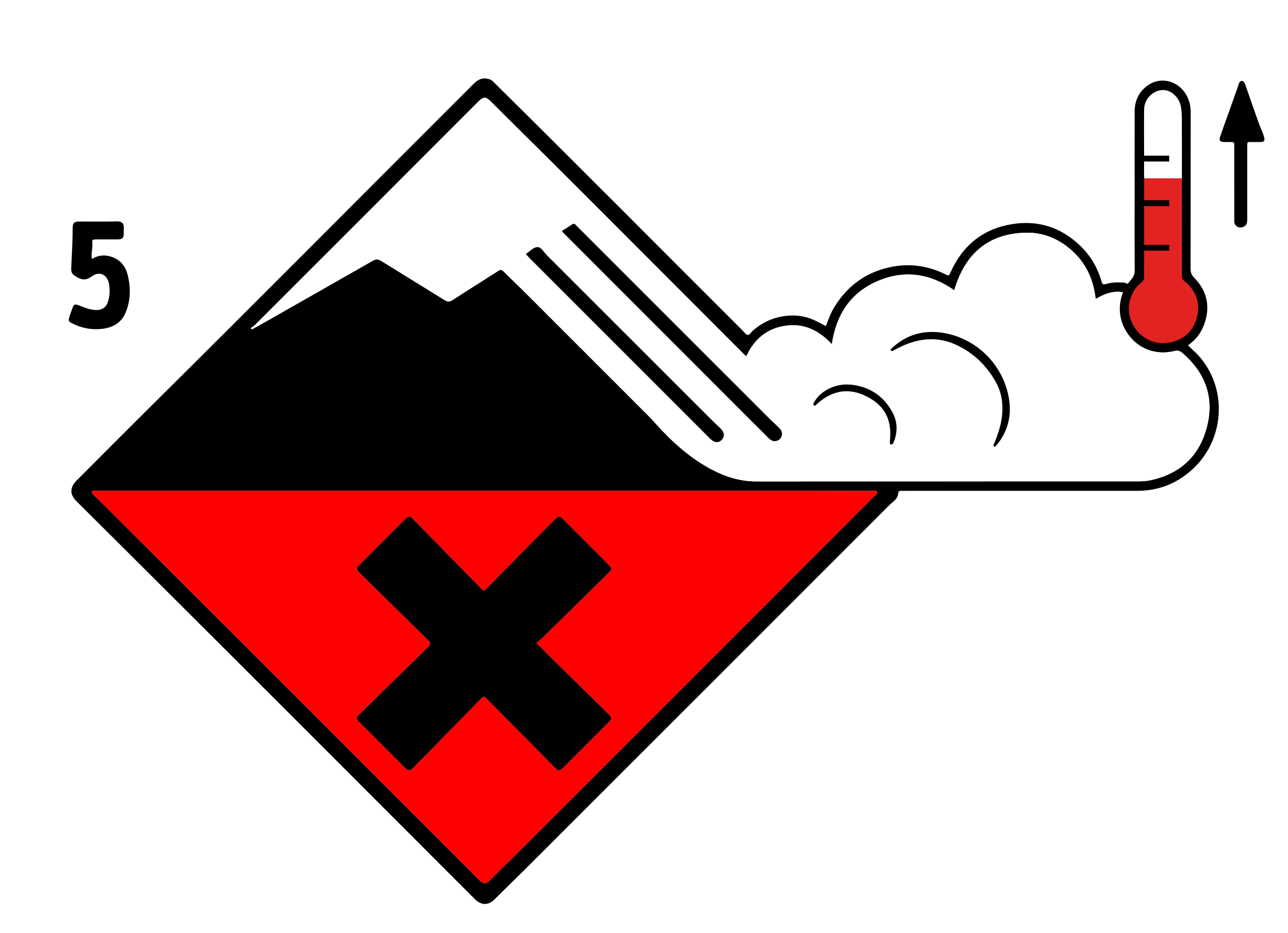
As a consequence of new snow and warming a dangerous avalanche situation will persist.
As a consequence of new snow and a strong to storm force northwesterly wind, further wind slabs formed in Usually a steep, elongated, eroded trench; typically prone to snowdrift accumulation.EAWS glossary and Rounded or elongated concavity; typically tending to accumulate snowdrift.EAWS glossary and behind abrupt changes in the terrain. The new snow and wind slabs of the last few days are lying on top of a weakly bonded Snow layers deposited from earlier precipitation, prior to fresh fallen snow. Old snow layers consist of metamorphosed snow crystals.EAWS glossary. This applies on west, north and east facing slopes. The Locations delineated by aspect or altitude where avalanches can trigger and people or objects are at risk.EAWS glossary are numerous, especially in areas close to the tree line, as well as above the tree line. Winter sport participants can release avalanches easily, including large ones. Remotely triggered avalanches are possible. As a consequence of warming during the day and solar radiation loose snow avalanches are to be expected as the day progresses. This applies in particular on steep sunny slopes. In particular on steep, rather lightly snow-covered east and west facing slopes the wet avalanches can penetrate even deep layers and reach large size in isolated cases. In addition gliding avalanches are possible. This applies especially on cut and grassy slopes below approximately 2000 m.
Outlook
→Constant avalanche danger
26 February 2026
As a consequence of warming and solar radiation, the activity of wet avalanches will increase.
Snowpack & Weather
Snowpack▾
15 to 30 cm of snow, and even more in some localities, fell on Tuesday. The wind was strong to storm force in some cases. The wind has transported the new snow significantly. Further wind slabs formed. On Wednesday it will be very mild. The Snow deposited on the ground in a multiplicity of layers.EAWS glossary will be prone to triggering over a wide area. The new snow and wind slabs are lying on top of a weakly bonded Snow layers deposited from earlier precipitation, prior to fresh fallen snow. Old snow layers consist of metamorphosed snow crystals.EAWS glossary. Distinct Snowpack layer in which the crystals are poorly bonded and the layer has the potential to fail. Typical crystals in dry weak layers causing avalanches are : precipitation particles; surface hoar; faceted crystals; hollow crystals; graupel. Generally >1mm in size, loose grains with few bonds Wet weak layers can be formed by all snow crystal/grain types.EAWS glossary exist in the bottom section of the old snowpack. This applies in particular on west, north and east facing slopes in areas close to the tree line, and above the tree line. The rain gave rise to thorough wetting of the snowpack at low and intermediate altitudes.
Snowdesk needs a refreshIt couldn't update itself. Reload to finish.ReloadDismissUpdating…Updating SnowdeskApplying the new version — the page will reload in a moment.
Update required
This version of Snowdesk is no longer supported. Reload to continue.
Install Snowdesk
Add Snowdesk to your home screen for one-tap access and a full-screen map. Downloaded areas read without a signal either way.
Add Snowdesk to your Home Screen
Tap the Share icon, then choose Add to Home Screen. Snowdesk then opens full screen. Downloaded areas read without a signal either way.
Reset local data
Snowdesk needs to reset local data on this device to keep working. Your
account and everything saved to it are stored on the server and are not affected.
Some changes couldn't be saved and won't be retried.
Snowdesk has not been saved on this device yet, so switching Offline mode on will stop it
opening at all until you switch it off again.
Switch it on anyway?Custom area %(n)sGetting ready…Getting ready… (%(n)s of %(total)s)Ready — %(total)s areas up to dateReady — 1 area up to date%(ready)s of %(total)s ready%(n)s changes still waiting to send1 change still waiting to sendBulletins from %(day)s%(metres)s m altitudeNo bulletin coverage for this location.Rating expired — reconnect to see today's danger levelas of %(time)sShowing cached data — as of %(time)s