Showing Fri 10 Apr 2026 Back to today

Kaiser Mountains - Waidring Alps

Kaisergebirge - Waidringer Alpen

Fri 10 Apr

Updated off-schedule

The provider reissued this bulletin at 9 Apr 15:39 UTC, outside the normal publication cycle.

Avalanche Problems
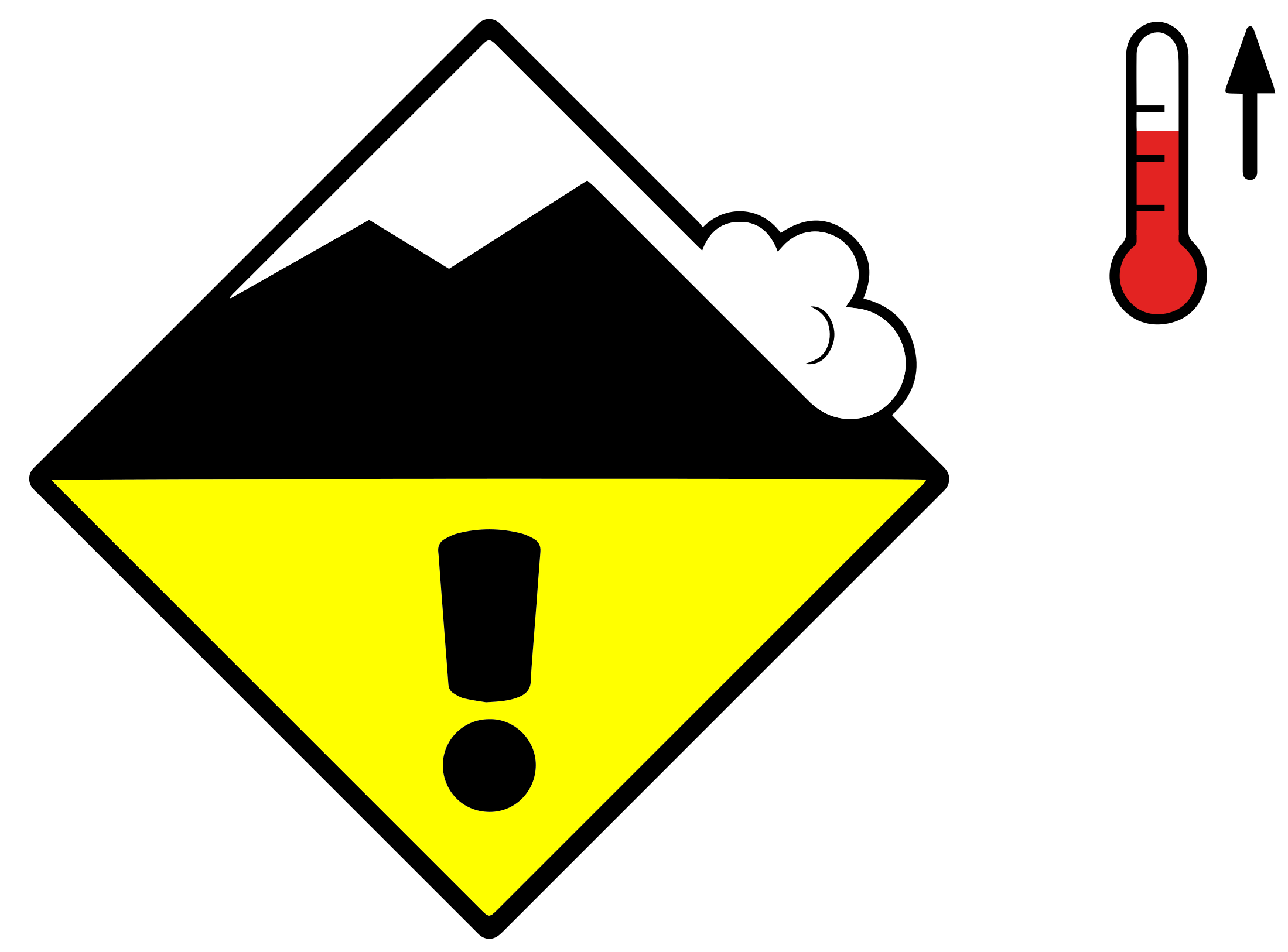
Moderate (2) Wet avalanches · all day
Wet snow level 2 Wet snow Loose 2
All aspects
Medium Few Poor
GM.3 GM.1
Field notes

Rolling snowballs, deep penetration when you step or ski, and small natural slides are clear signals that the Snow deposited on the ground in a multiplicity of layers.EAWS glossary is losing strength. After a clear, cold night the surface often freezes into a strong supporting Layer of hard-compacted snow resulting from a melt-freeze process or wind.EAWS glossary, and conditions are favourable in the early morning. After a warm, overcast night, the problem may be present from the start of the day. Plan early returns and watch the runout zones below you.

Source: SLF Avalanche Bulletin Interpretation Guide

Avalanche Activity

The danger of moist and wet avalanches will already be elevated in the early morning. Weak layers in the old snowpack can be released in isolated cases by individual winter sport participants.

The danger of moist and wet avalanches will already be elevated in the early morning. This applies in particular below approximately 2400 m. Individual Locations delineated by aspect or altitude where avalanches can trigger and people or objects are at risk.EAWS glossary for dry avalanches are to be found on very steep shady slopes above approximately 2400 m. These avalanche prone locations are rare and are difficult to recognise.

Outlook

Constant avalanche danger

11 April 2026

Increase in danger of moist and wet avalanches as a consequence of warming during the day and solar radiation.

Snowpack & Weather

Snowpack
Outgoing longwave radiation during the night will be reduced. The surface of the Snow deposited on the ground in a multiplicity of layers.EAWS glossary will freeze very little. Some rain will fall. The snowpack will become increasingly wet all the way through. This applies in all Direction in which a slope faces as indicated by compass direction of the fall line; i.e. a north slope faces in a northerly direction.EAWS glossary below approximately 2400 m. Towards its base, the snowpack consists of Snow grains, solid, with multiple flat glassy faces and sharp edges. Developed from faceting metamorphism, usually poorly bonded to one another (fewer contact points), a critical factor in avalanches if a faceted layer is covered with bonded snow. Typical grain size: 0.5 to 3 mm See also: www.snowcrystals.itEAWS glossary, especially on shady slopes at elevated altitudes.

Source

ALBINA

Issued

9 Apr 15:39 UTC

Valid until

10 Apr 15:00 UTC

Next update

—

Schedule

Off-schedule

See this region on the map