Showing Sun 12 Apr 2026 Back to today

Karwendel Mountains

Karwendel Ost

Sun 12 Apr

Avalanche Problems

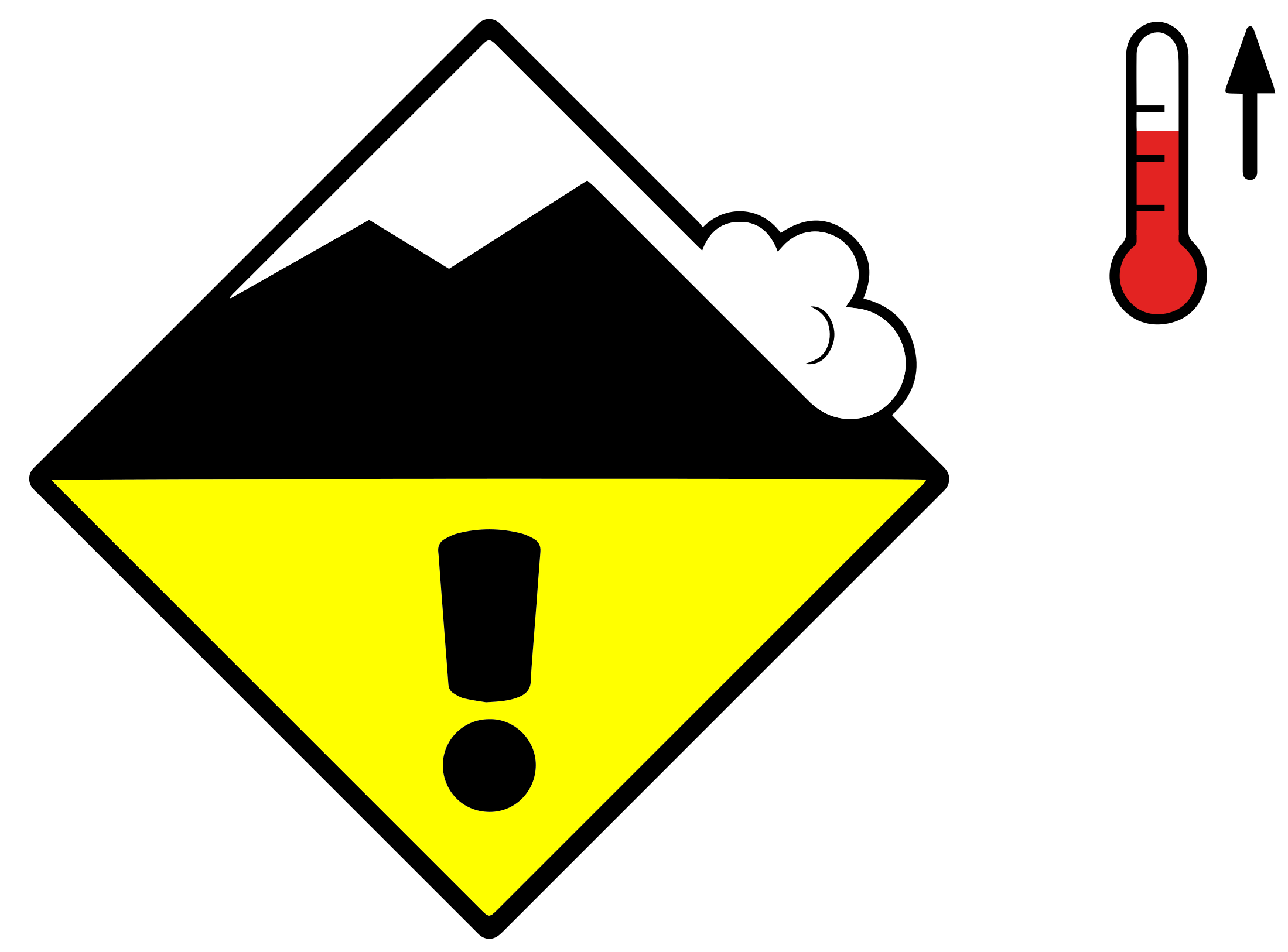
Moderate (2) Wet avalanches · all day
Wet snow level 2 Wet snow Loose 2
All aspects
Medium Some Poor
GM.10 GM.1
Field notes

Rolling snowballs, deep penetration when you step or ski, and small natural slides are clear signals that the Snow deposited on the ground in a multiplicity of layers.EAWS glossary is losing strength. After a clear, cold night the surface often freezes into a strong supporting Layer of hard-compacted snow resulting from a melt-freeze process or wind.EAWS glossary, and conditions are favourable in the early morning. After a warm, overcast night, the problem may be present from the start of the day. Plan early returns and watch the runout zones below you.

Source: SLF Avalanche Bulletin Interpretation Guide

Avalanche Activity

Wet snow represents the main danger.

The danger of moist and wet avalanches will already be elevated in the early morning. As a consequence of warming during the day and the solar radiation, the likelihood of avalanches being released will increase a little. Wet avalanches can in very isolated cases penetrate near-ground layers of the Snow deposited on the ground in a multiplicity of layers.EAWS glossary and reach medium size, in particular on very steep shady slopes above approximately 2000 m.

Outlook

Constant avalanche danger

13 April 2026

Wet snow represents the main danger.

Snowpack & Weather

Snowpack
Outgoing longwave radiation during the night will be severely restricted. The surface of the Snow deposited on the ground in a multiplicity of layers.EAWS glossary will cool hardly at all during the overcast night. Sunshine and high temperatures will give rise as the day progresses to increasing and thorough wetting of the snowpack. Towards its base, the snowpack consists of Snow grains, solid, with multiple flat glassy faces and sharp edges. Developed from faceting metamorphism, usually poorly bonded to one another (fewer contact points), a critical factor in avalanches if a faceted layer is covered with bonded snow. Typical grain size: 0.5 to 3 mm See also: www.snowcrystals.itEAWS glossary, especially on shady slopes at elevated altitudes.

Source

ALBINA

Issued

11 Apr 15:00 UTC

Valid until

12 Apr 15:00 UTC

Next update

—

See this region on the map