Karwendel Mountains
Karwendel West
Day Risk Profile
Avalanche Problems
Above treeline
 Persistent weak layers + Wind slab
Slab
4
Field notes
Persistent weak layers
Persistent Snowpack layer in which the crystals are poorly bonded and the layer has the potential to fail. Typical crystals in dry weak layers causing avalanches are : precipitation particles; surface hoar; faceted crystals; hollow crystals; graupel. Generally >1mm in size, loose grains with few bonds Wet weak layers can be formed by all snow crystal/grain types.EAWS glossary are very challenging to recognise. Distinctive noise (resembling a “whumpf” sound) occurring when a weak layer beneath a slab collapses. The air of the weak layer is forced outside the snowpack, with the resulting whumpf sound being heard. The sound usually indicates an unstable situation and can be accompanied by surface cracking. A whumpf is a clear avalanche alert.EAWS glossary sounds and shooting cracks are typical when present, but you can have a serious weak layer with no warning signs at the surface. Knowledge of how the Snow deposited on the ground in a multiplicity of layers.EAWS glossary has evolved is essential. SLF's travel advice is direct: travel conservatively, avoid terrain where the consequences of being caught are large, and treat the history of weather and snow as more important than what you can see today. Read the full bulletin.
Wind slab
Look for fresh snow deposits on Slope facing downwind/ wind sheltered aspect. Snow deposits can attain several times average snow depth.EAWS glossary, in Usually a steep, elongated, eroded trench; typically prone to snowdrift accumulation.EAWS glossary and Rounded or elongated concavity; typically tending to accumulate snowdrift.EAWS glossary, and behind ridgelines and abrupt changes in terrain — these are where the wind has loaded the snow into slabs that are easy to trigger. Recent avalanches, shooting cracks under your weight, and Distinctive noise (resembling a “whumpf” sound) occurring when a weak layer beneath a slab collapses. The air of the weak layer is forced outside the snowpack, with the resulting whumpf sound being heard. The sound usually indicates an unstable situation and can be accompanied by surface cracking. A whumpf is a clear avalanche alert.EAWS glossary sounds are clear confirmations of the problem. The safest move is to avoid wind-loaded terrain entirely. NB wind signs alone don't always mean an avalanche problem exists, and the age of drifted snow is hard to judge.
Below 2400 m
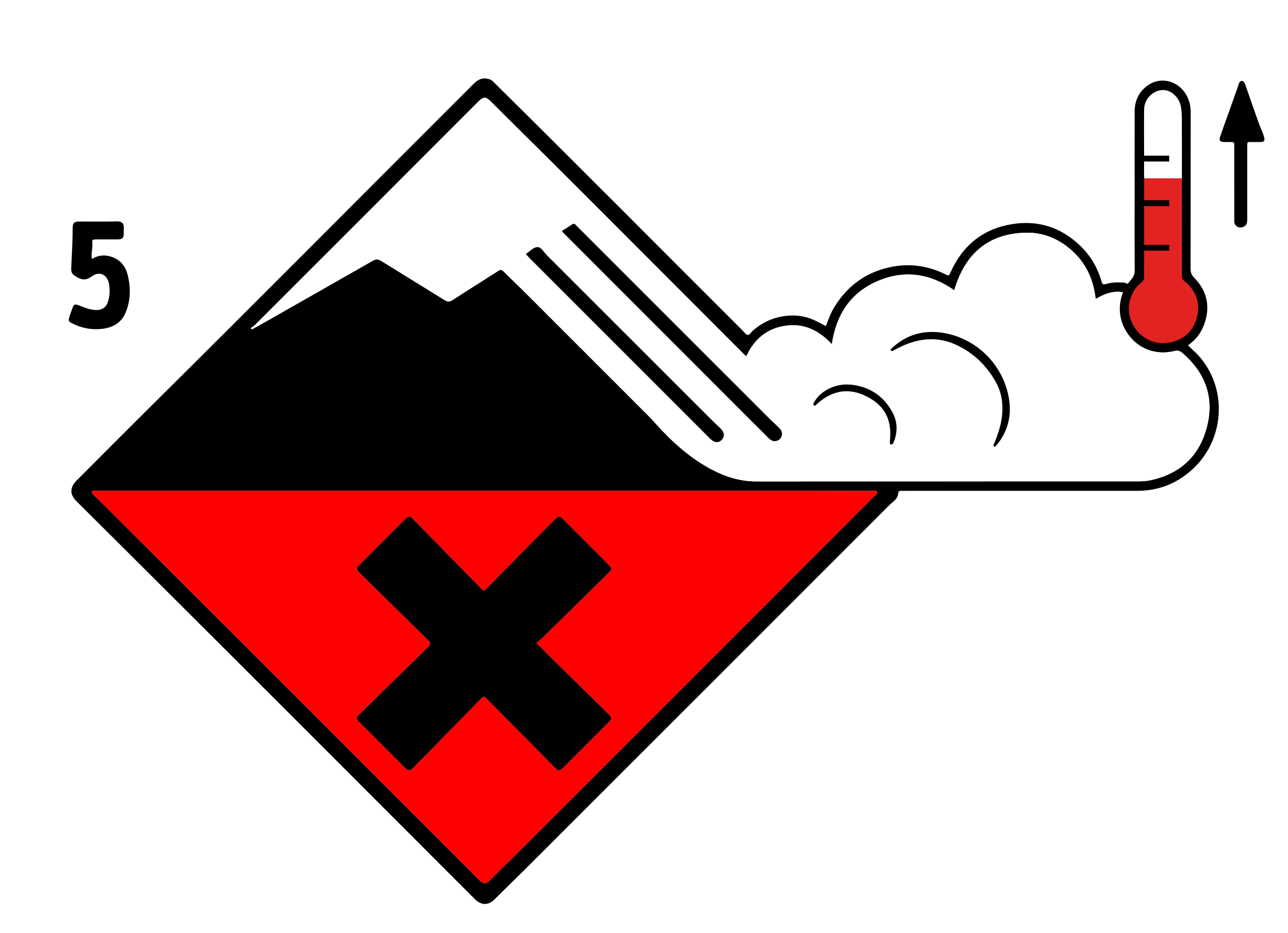 Gliding snow
Loose
4
Field notes
Almost impossible to predict precisely, even when the warning signs are visible. A crack visible on the snowpack surface formed by snow-gliding on steep, and particularly grass-covered slopes. Areas below slopes with visible glide cracks should be avoided whenever possible due to threat of gliding sluffs or avalanches.EAWS glossary — gaps that open in the Snow deposited on the ground in a multiplicity of layers.EAWS glossary down to the ground — are often precursors to release, but they don't tell you when. A glide avalanche can release minutes after the cracks appear, or weeks later, or not at all. Some release without any visible warning. Avoid lingering anywhere near glide cracks: above them, alongside them, or below in the runout.
Avalanche Activity
Distinct weak layers in the old snowpack represent the main danger. Fresh wind slabs require caution.
Outlook
Constant avalanche danger
20 February 2026
Wind slabs and weakly bonded old snow represent the main danger. Backcountry touring and other off-piste activities call for caution and restraint.