Mieming Mountains
Mieminger Gebirge
Day Risk Profile
Avalanche Problems
Above 2500 m
 Persistent weak layers
Slab
2
Field notes
Persistent Snowpack layer in which the crystals are poorly bonded and the layer has the potential to fail. Typical crystals in dry weak layers causing avalanches are : precipitation particles; surface hoar; faceted crystals; hollow crystals; graupel. Generally >1mm in size, loose grains with few bonds Wet weak layers can be formed by all snow crystal/grain types.EAWS glossary are very challenging to recognise. Distinctive noise (resembling a “whumpf” sound) occurring when a weak layer beneath a slab collapses. The air of the weak layer is forced outside the snowpack, with the resulting whumpf sound being heard. The sound usually indicates an unstable situation and can be accompanied by surface cracking. A whumpf is a clear avalanche alert.EAWS glossary sounds and shooting cracks are typical when present, but you can have a serious weak layer with no warning signs at the surface. Knowledge of how the Snow deposited on the ground in a multiplicity of layers.EAWS glossary has evolved is essential. SLF's travel advice is direct: travel conservatively, avoid terrain where the consequences of being caught are large, and treat the history of weather and snow as more important than what you can see today. Read the full bulletin.
 Persistent weak layers
Slab
3
Field notes
Persistent Snowpack layer in which the crystals are poorly bonded and the layer has the potential to fail. Typical crystals in dry weak layers causing avalanches are : precipitation particles; surface hoar; faceted crystals; hollow crystals; graupel. Generally >1mm in size, loose grains with few bonds Wet weak layers can be formed by all snow crystal/grain types.EAWS glossary are very challenging to recognise. Distinctive noise (resembling a “whumpf” sound) occurring when a weak layer beneath a slab collapses. The air of the weak layer is forced outside the snowpack, with the resulting whumpf sound being heard. The sound usually indicates an unstable situation and can be accompanied by surface cracking. A whumpf is a clear avalanche alert.EAWS glossary sounds and shooting cracks are typical when present, but you can have a serious weak layer with no warning signs at the surface. Knowledge of how the Snow deposited on the ground in a multiplicity of layers.EAWS glossary has evolved is essential. SLF's travel advice is direct: travel conservatively, avoid terrain where the consequences of being caught are large, and treat the history of weather and snow as more important than what you can see today. Read the full bulletin.
Below 2500 m
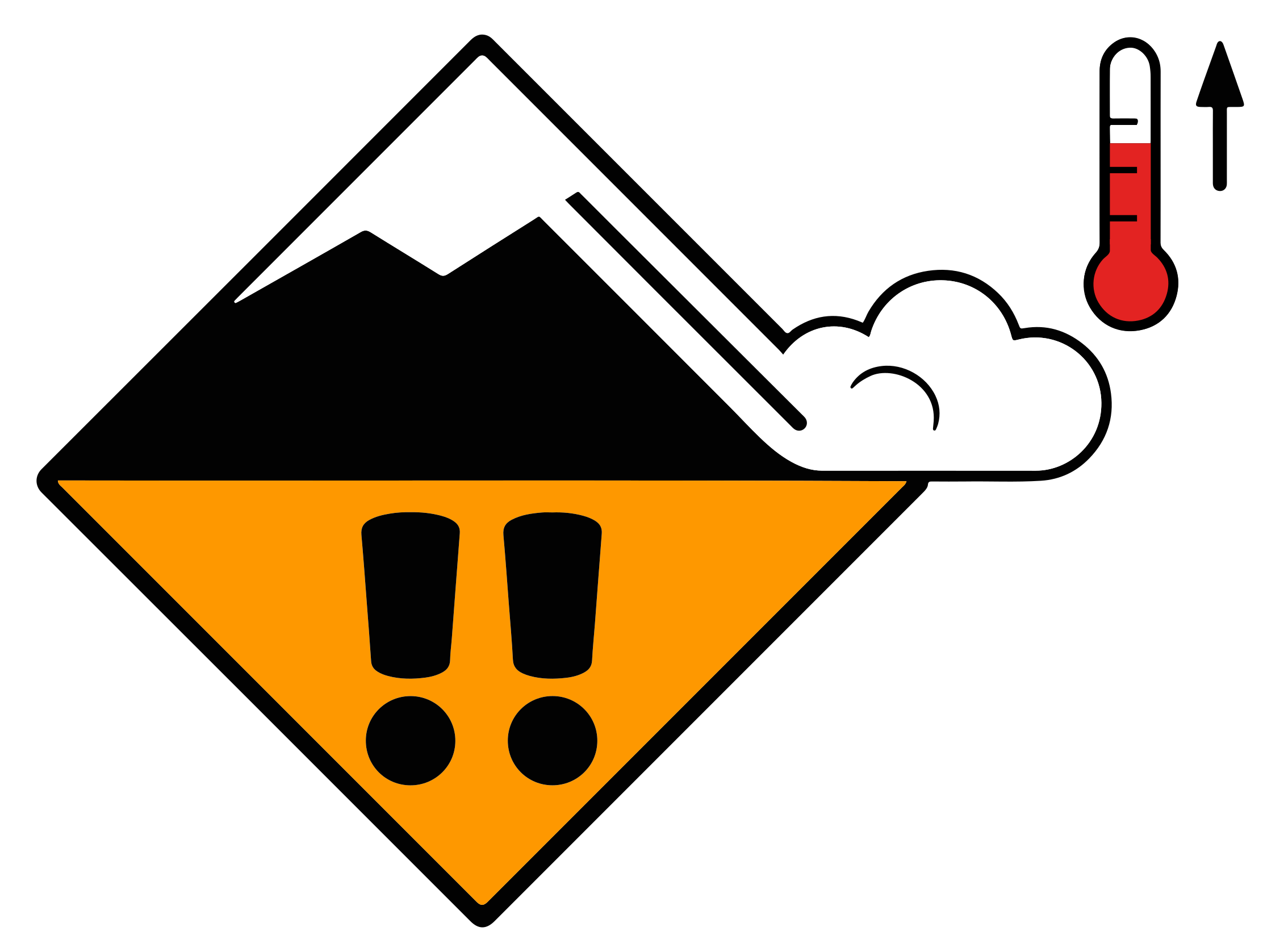 Wet snow
Slab
3
Field notes
Rolling snowballs, deep penetration when you step or ski, and small natural slides are clear signals that the Snow deposited on the ground in a multiplicity of layers.EAWS glossary is losing strength. After a clear, cold night the surface often freezes into a strong supporting Layer of hard-compacted snow resulting from a melt-freeze process or wind.EAWS glossary, and conditions are favourable in the early morning. After a warm, overcast night, the problem may be present from the start of the day. Plan early returns and watch the runout zones below you.
Below 2800 m
Wet snow
Slab
3
Field notes
Rolling snowballs, deep penetration when you step or ski, and small natural slides are clear signals that the Snow deposited on the ground in a multiplicity of layers.EAWS glossary is losing strength. After a clear, cold night the surface often freezes into a strong supporting Layer of hard-compacted snow resulting from a melt-freeze process or wind.EAWS glossary, and conditions are favourable in the early morning. After a warm, overcast night, the problem may be present from the start of the day. Plan early returns and watch the runout zones below you.
Avalanche Activity
An unfavourable avalanche situation will prevail. Wet snow represents the main danger.
Outlook
Constant avalanche danger
17 April 2026
Outgoing longwave radiation during the night will be quite good. The backcountry touring conditions in the morning at elevated altitudes are quite favourable. As the day progresses as a consequence of warming during the day and solar radiation there will be an appreciable increase in the danger of wet avalanches.